The Problem
A healthtech company was dealing with large volumes of operational and billing data coming from multiple systems and communication channels. Important information arrived through emails, spreadsheets, and various software tools, which required teams to manually gather, clean, and upload the data into reporting systems.
This process was highly manual and error-prone. Employees spent significant time organizing data in spreadsheets, reconciling information, and preparing reports. Because the workflows depended heavily on individual effort, delays and inconsistencies were common, and teams struggled to maintain clear visibility into their operational data.
The company needed a system that could automate the collection and organization of this information while integrating with their existing tools and workflows.
The Solution
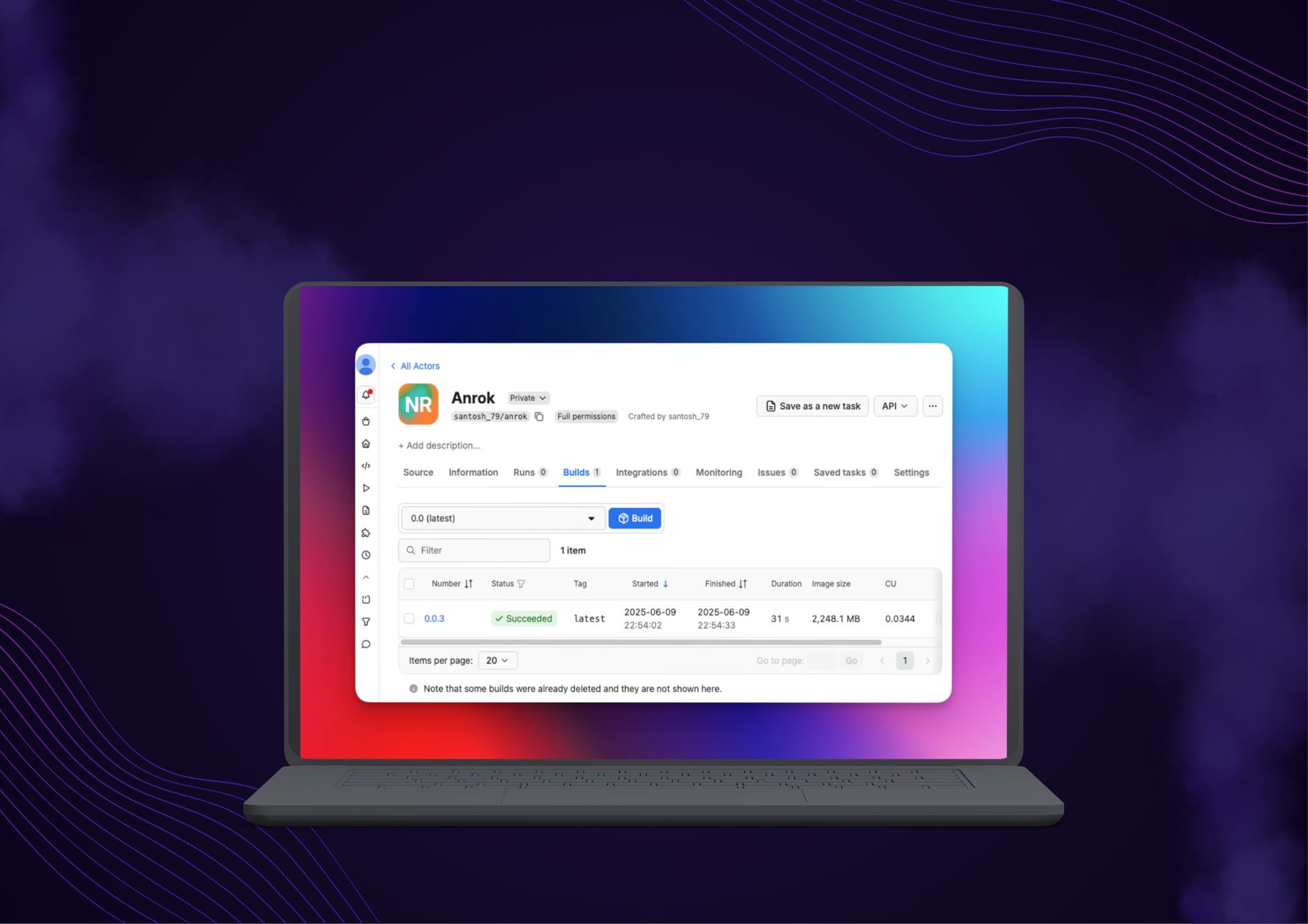
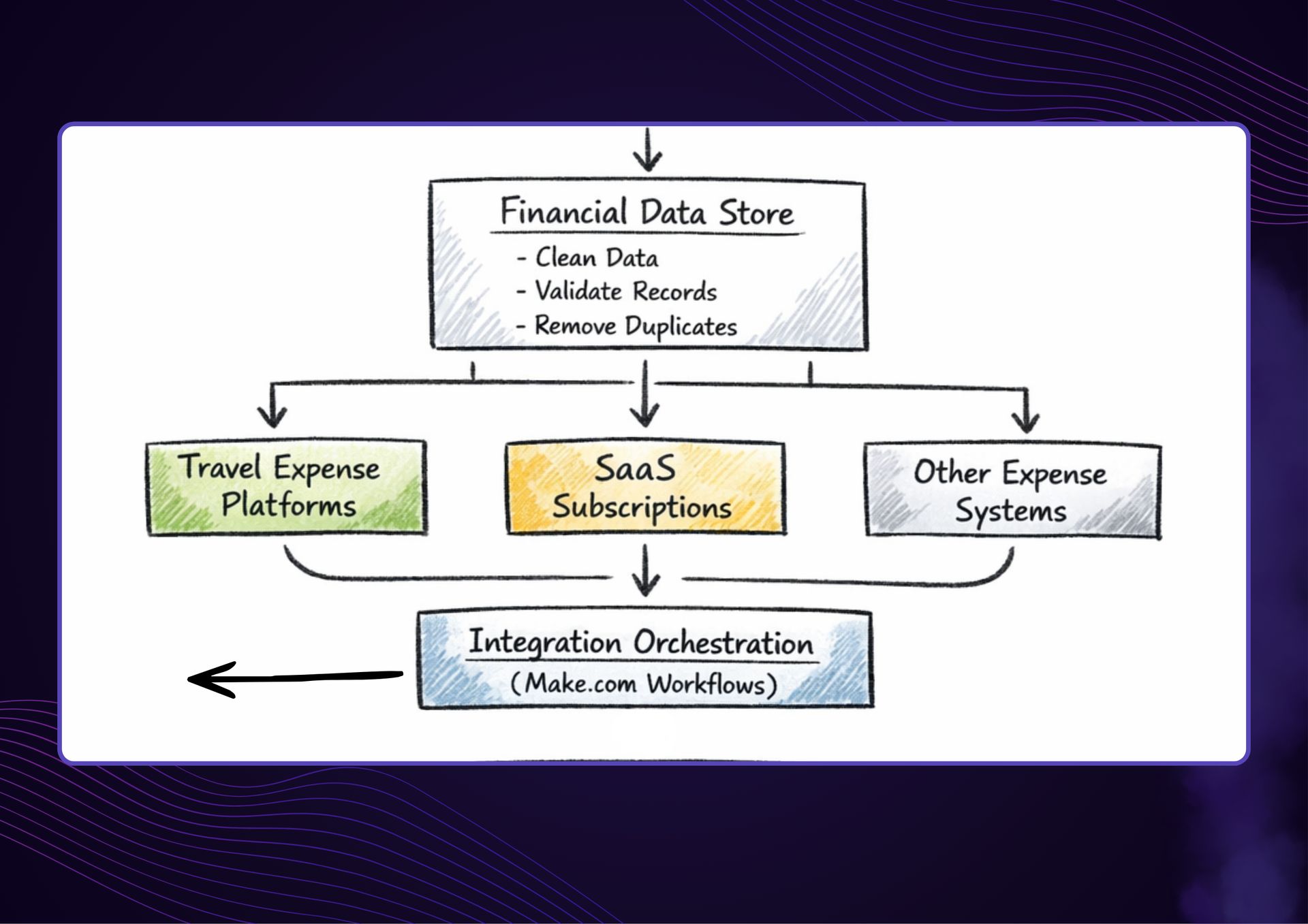
We built a Data Automation Platform for the healthtech company to streamline how operational and billing information was captured, processed, and managed.
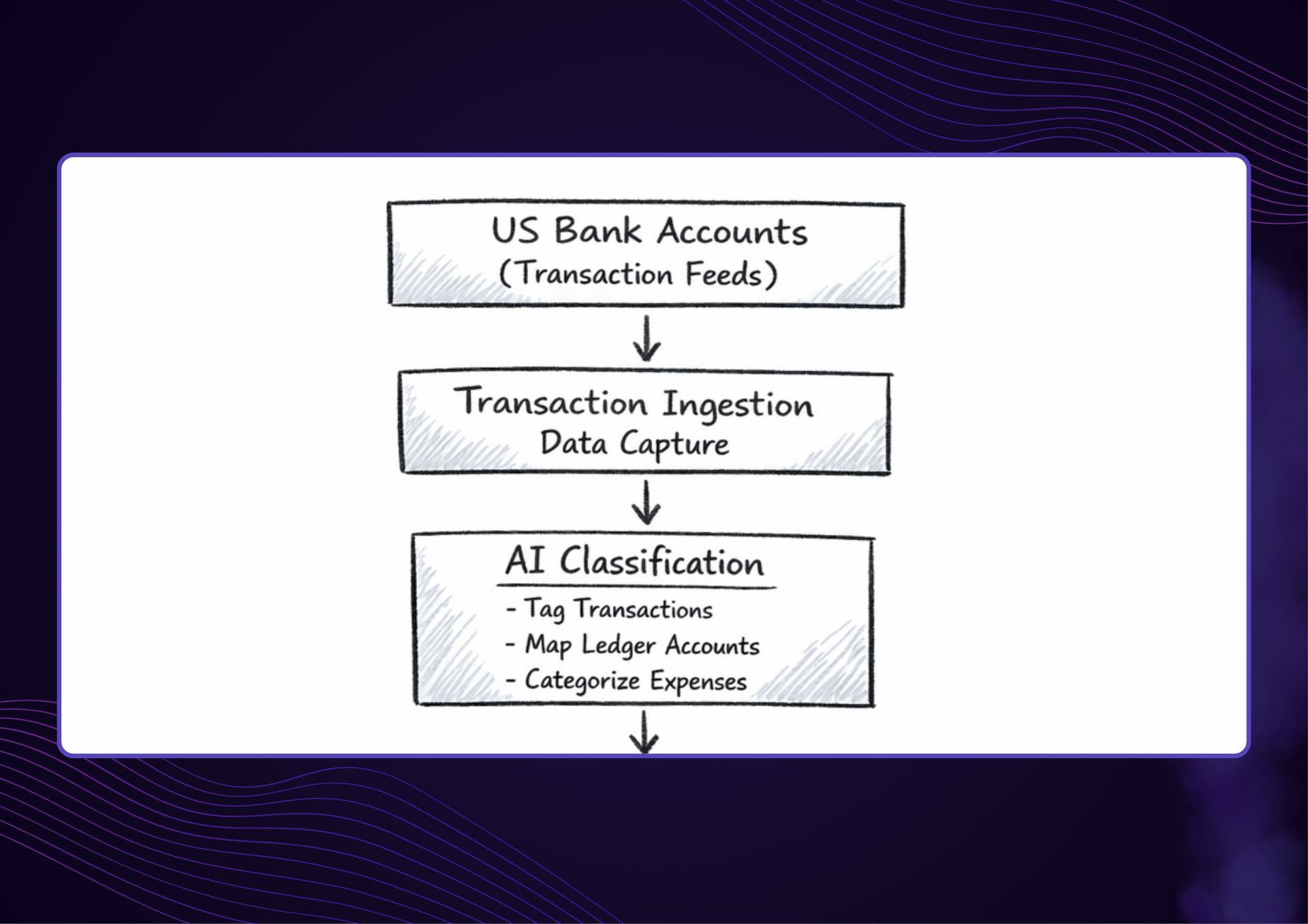
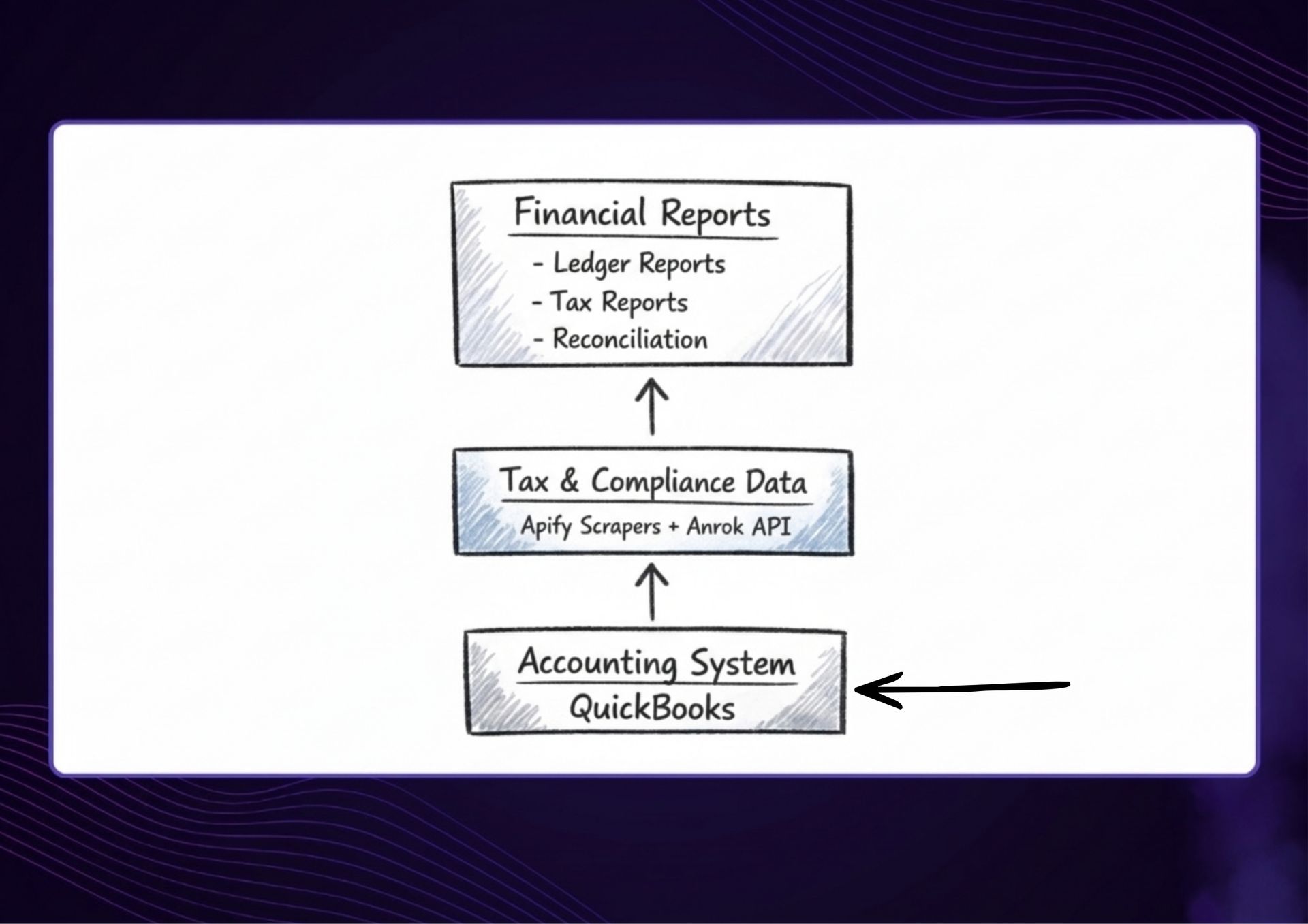
The system integrates with multiple existing tools to automatically collect data from different sources. Instead of manually compiling information from emails and spreadsheets, the platform gathers and stores the data in a centralized system where it can be structured and analyzed.
The platform also processes and categorizes incoming data automatically, reducing the need for manual cleaning and preparation. Teams can access the information through a unified interface that allows them to view, manage, and track operational data in real time.
By consolidating fragmented workflows into a single system, the platform improves transparency, enables better collaboration across teams, and introduces AI-assisted capabilities to help interpret and utilize the data more effectively.
The Impact
The solution significantly reduced the manual effort required to manage operational and billing data.
Teams no longer needed to rely on spreadsheets or individual processes to organize critical information. Data flows automatically through the platform, improving accuracy and reducing delays caused by manual handling.
With centralized data visibility and automated workflows, the healthtech company gained a more efficient and scalable system for managing operations, allowing teams to focus on analysis and decision-making rather than administrative tasks.